Slash Your Carbon Footprint with Simple Digital Habits
By admin on Aug 20, 2026 in Featured, Internet
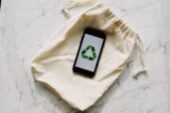
For climate‑aware everyday technology users, remote workers, streamers, students, and anyone living in inboxes and apps, the hardest part of cutting emissions is noticing the ones that don’t look like pollution. The core tension is simple: phones and cloud services feel weightless, yet the environmental impact of technology adds up through energy use behind every scroll, search, and saved file. That invisible total is a digital carbon footprint, and it can quietly clash with the values of people trying to live more sustainably.
With a little climate change awareness and mindful digital habits, sustainable digital behavior can start feeling clear and doable.
How Digital Actions Turn Into Real Emissions
At the simplest level, your digital footprint comes from four places: the energy powering data centers, the electricity your devices use, the cost of storing data, and the networks that move information. Carbon footprint math links those energy needs to greenhouse gases, using local grid intensity and typical equipment efficiency.
This matters because small choices scale fast when you repeat them daily. Knowing what drives the emissions helps you focus on high impact habits like streaming quality, file cleanup, and device settings.
Picture a movie night: high resolution video pulls more data, which triggers more network traffic and more server work. Add automatic cloud backups and a laptop on full brightness, and the “invisible” energy bill grows. With the mechanics clear, commute-free learning choices like earning a business bachelor’s online can cut travel emissions too.
Cut Commute Emissions with Online Learning for Career Growth
Once you see how everyday digital choices add up to real-world emissions, it’s easier to spot swaps that cut a big chunk of carbon at once. Earning an online degree can lower your footprint by skipping the repeated trips to and from campus, no daily driving, transit rides, or parking loops needed. It can also reduce campus-related energy use tied to in-person attendance, while you still advance your education through virtual coursework and resources. If you want career-focused momentum, you can also earn a bachelor’s in business online and build practical skills in accounting, business, communications, or management.
Build a Low-Carbon Digital Routine in 30 Minutes
Your goal is simple: cut the energy and data your devices demand without making life harder. With a few repeatable habits, you can shrink your digital footprint at home and at work while keeping your tech running smoothly.
- Lock in energy-saving settings on every device Start with the biggest, easiest wins: set short screen-timeouts, enable sleep mode, and use power-saving mode on phones and laptops. On desktops and monitors, use automatic sleep and shut down at the end of the day instead of leaving things idling. These small defaults quietly reduce wasted electricity every day.
- Streamline software so your devices do less work Review startup apps and browser extensions, then remove what you do not use. Keep your operating system and key apps updated so they run efficiently and avoid background “busywork.” At work, close unused tabs and apps before meetings so your computer is not processing extra tasks while you present.
- Trim cloud and local storage like a monthly reset Delete duplicate photos, old downloads, and unused files, then empty the trash or recycle bin so the space is actually freed. Lower “auto-upload everything” habits by turning off backup for screenshots, memes, and short-lived files. A quick cleanout also makes search and sharing faster, so you save time while you save energy.
- Choose greener tech upgrades when it is time to buy When you truly need a replacement, look for energy-efficient models, right-size the power you need, and keep devices longer with a case, battery replacement, or repair. If you manage a team, consider tools that track and reduce device energy use since the energy management software market reflects growing demand for efficiency. Buying less often is usually the most sustainable upgrade.
- Create an e-waste exit plan you will actually follow Pick one spot at home for old cables, dead batteries, and retired devices so they do not end up in the trash by accident. Once the box is full, use a retailer take-back program, a community drop-off, or a certified recycler, and wipe your devices before handing them over. This closes the loop and keeps hazardous materials out of landfills.
Digital Carbon Footprint Questions People Ask
Q: Do energy-saving settings really make a difference, or is it too small to matter?
A: They matter because they cut wasted power every day with no extra effort once they are set. Small reductions across multiple devices add up fast in a home or office. Pick one device right now and shorten the screen timeout and sleep timer.
Q: What does “the cloud” actually cost in carbon? A: Cloud storage is still physical: data lives on servers that run 24/7 and need electricity and cooling. That is one reason digital technologies are responsible for a meaningful share of emissions. A practical start is deleting duplicates and turning off auto-backups for low-value files.
Q: How can I reduce streaming impact without giving up shows or music?
A: Keep the content, lower the load: use Wi-Fi instead of mobile data, drop video quality when you do not need HD, and download playlists for repeat listening. Even one notch down in resolution can reduce data transfer a lot.
Q: Should I delete old emails and photos, or is that pointless?
A: It is not pointless if you focus on the big stuff: large attachments, duplicate media, and years of “just in case” files. Set a 10-minute monthly cleanup and start with your biggest folders or searches like “has:attachment.”
Q: Can I do this without being perfect or buying new gadgets?
A: Yes, and perfection is not the goal. Choose two defaults you can live with and let them run in the background. Upgrading less often is usually greener than replacing a working device.
Audit Your Digital Routine and Cut Carbon With Three Changes
It’s easy to feel like your digital life is “too small” to matter, even while screens, streaming, and storage quietly add up. The way through is a simple digital habits audit and a mindset of steady, sustainable choices, not perfection, so your commitment to sustainable tech use actually sticks. When these routines shift, the payoff is real: less wasted energy, fewer default uploads and refreshes, and a clearer sense of personal responsibility in digital impact. Small digital choices, repeated daily, meaningfully shrink your carbon footprint. Set a 10‑minute timer, scan your usual devices and apps, then pick three immediate actions for carbon footprint reduction and start tracking eco-friendly digital choices for the next week. Those small signals of progress are what keep motivating behavioral change and build a more resilient future.

Post a Comment